Army Jobs
CIA Jobs Full Time

WHAT IS CIA?
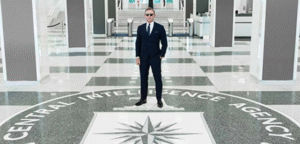
America’s covert detective agency is the Central Intelligence Agency, or CIA. To keep the nation safe, it is their responsibility to collect vital information from all over the world. They keep an eye out for threats like terrorists, learn about other nations’ plans, and assist the government in making wise choices.
Among its primary duties are
- Recruiting and overseeing foreign sources:
To obtain sensitive or classified information is known as human intelligence (HUMINT) collection.
- All-Source Intelligence Analysis:
Creating actionable intelligence reports by combining information from various sources (human, signal, imagery, open-source, etc.).
- Covert Operations:
Performing covert missions overseas to further American foreign policy goals.
- Counterintelligence:
Preventing hostile organizations or foreign intelligence services from infiltrating and interfering with U.S. intelligence assets and operations.
The CIA frequently collaborates with other U.S. agencies like the FBI, NSA, and Department of Defense in addition to serving as a strategic advisor to the President and the National Security Council. Legislative intelligence committees monitor the agency’s operations to make sure they are lawful, accountable, and in line with American national interests.
HOW CAN YOU JOIN THE CIA?
It takes a strong combination of education, integrity, skills, and a dedication to national service to join the CIA (Central Intelligence Agency). The procedure is extremely selective, competitive, and private.
A Comprehensive Guide to Joining the CIA
1. Understand the Functions of the CIA
To support American national security, the CIA is in charge of obtaining and evaluating foreign intelligence. It operates primarily abroad, sometimes in secret, but it does not enforce the law like the FBI does.
🧑🎓 2. Fulfill the Fundamental Requirements You need to:
Be a citizen of the United States.
✅ Have a minimum age of 18
Successfully complete a comprehensive background investigation
✅ Clear a polygraph (lie detector) test
✅ Clear psychological and medical tests
Possess a strong moral code
✅ No significant drug use in the past few years (case-by-case basis)
🎓 3. Field of Study and Helpful CIA Roles
| Field of Study | Helpful For |
|---|---|
| Political Science | Analyst, Field Operations |
| International Relations | Analyst, Linguist |
| Cybersecurity/Information Technology | Technical and Cyber Operations |
| Engineering | Technical Officers |
| Languages (Arabic, Farsi, Chinese, Russian) | Language Officers, Field Operations |
| Finance/Economics | Economic Analysis, Support Roles |
🕵️♂️ 4. 💼 CIA Career Tracks and What They Do
| Career Track | What They Do |
|---|---|
| Operations Officers | Work abroad and personally collect intelligence |
| Analysts | Research world events and write intelligence reports |
| Science, Tech & Cyber | Handle cyber threats and develop surveillance tech |
| Language Officers | Interpret and translate sensitive foreign information |
| Support Officers | Manage IT, HR, security, logistics, and internal support |
5. Submit an Online Application
All positions are available at 👉 https://www.cia.gov/careers
- Make a safe account.
- Send in your cover letter, resume, and application.
- Be truthful and meticulous.
- Due to the intense competition, applications may not be responded to for months.
⏳ 6. Procedure for Security Clearance
If chosen, you will have to go through:
- Thorough background investigations
- Interviews and reference checks
- A polygraph test
- A medical assessment
- This takes a few months to a year.
📍 Extra Information:
- You are not allowed to disclose your application to others, particularly for covert positions.
- Online behavior and social media are closely examined.
- Even for qualified applicants, rejections are frequent during the selective and private process.
Estimated Salaries of CIA Officers
| Position | GS Level | Estimated Annual Salary (USD) | Notes |
|---|---|---|---|
| Entry-Level Intelligence Analyst | GS-9 to GS-11 | $55,000 – $75,000 | Requires a bachelor’s or master’s degree |
| Mid-Level Intelligence Analyst | GS-12 to GS-13 | $78,000 – $110,000 | With experience or specialization |
| Operations Officer (Clandestine) | GS-10 to GS-13 | $60,000 – $105,000 | Includes field duty pay, bonuses, and hardship differentials |
| Language Officer | GS-11 to GS-13 | $70,000 – $110,000 | Bonus for rare language proficiency |
| Cybersecurity Specialist | GS-12 to GS-14 | $85,000 – $130,000 | Technical and in-demand skill areas |
| Technical Intelligence Officer | GS-13 to GS-15 | $100,000 – $160,000 | Includes engineers, data scientists, and high-tech specialists |
| Senior Executive (SES Level) | SES Band | $170,000 – $200,000+ | Executive-level, top leadership roles |
Types of CIA Officers : From Junior to Senior
1. CIA Officer Types:
Entry-Level and Senior Entry-Level Analysts fresh graduates, new hires, or professionals just beginning their careers. These positions include Junior Operations Officer, Language Officer, and Intelligence Analyst.
2. Officer of Operations (Clandestine Service Officer)
Recruits, manages, and carries out undercover operations overseas. Requires extensive training and experience.
3. Senior Analyst of Intelligence
knowledgeable analysts in charge of particular intelligence initiatives or areas. Give decision-makers professional advice.
4. Officer of Collection Management
Oversees and plans field operations and intelligence gathering tactics.
5.Technical Officer/Expert
Specialists in technical intelligence collection (engineering, signals, and cyber). Oversee the creation and implementation of technology.
6. Unit Chief/Deputy Chief
Mid-level managers overseeing small groups or teams.
7. Head of the Branch
Oversees a geographical or functional area of operations or several teams.
8. Deputy Head of Division
Helps division leaders manage more significant aspects of the agency’s mission.
9. Head of Division
Leads a significant CIA division, such as Cyber Operations or Counterterrorism.
10. Executive Directorate
Senior management in divisions such as Analysis or Operations.
11. Associate Director or Deputy Director
Second-in-command of the entire agency or a significant directorate.
12. CIA Director
The President appoints the top official in charge of all CIA operations.